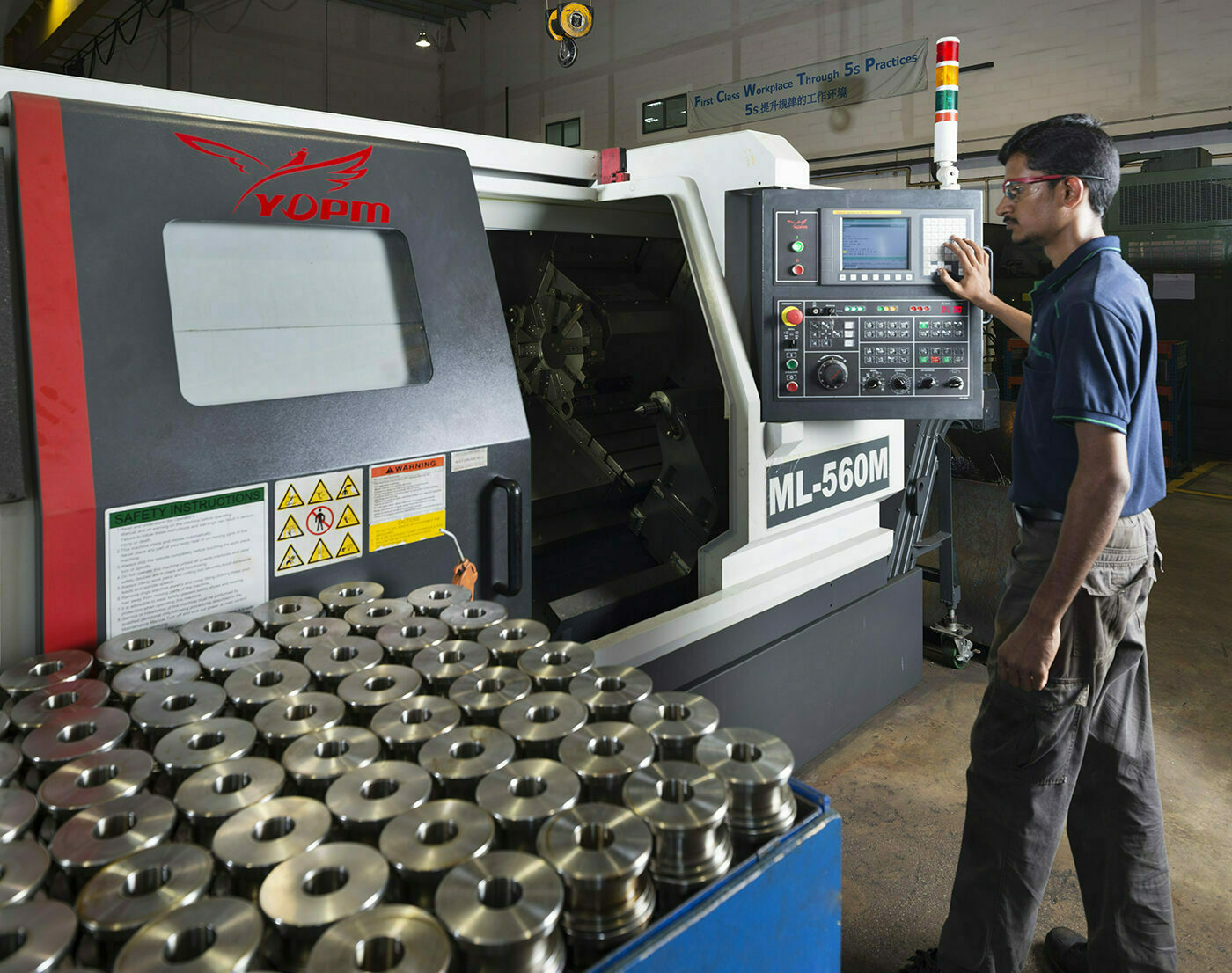
Mechanical systems are the often unseen workhorses of countless machines across the industry, efficiently powering high-load operations in infrastructure, agriculture, production, and mineral work. These strong hydraulic actuators convert pressurized oil into precise, direct action, lifting, pushing, pulling, and positioning massive loads with precision and reliability. While they may seem misleadingly plain from the surface, the efficiency of a industrial unit is the outcome of the smooth coordination of many inner parts working in unison in perfect harmony. Understanding these key components and their roles is critical for anyone involved in design, control, or servicing of industrial machines. Hydraulic cylinder parts
Core Components of a Mechanical Actuator and Why They Work
At the core of any industrial cylinder lies the pressure barrel, a carefully crafted tube that supports the main moving elements. It acts as the main shell of the cylinder and stores the pressurized liquid that delivers energy. Because it must handle high operating pressure and enable consistent operation, the inner bore of the tube is carefully finished to strict tolerances.Inside this housing sits the piston, the active element that separates the inside area into individual fluid chambers. When controlled fluid is channeled to either end of the disc, pressure develops and moves the unit along the axis of the barrel. This action is what effectively creates the strong, direct motion that the system is built to produce. The piston’s position and contact within the housing are critical for effective force conversion and minimal fluid leakage.
Connected securely to the component is the output bar, a hardened metal arm that delivers the force generated within the unit to the connected mechanism. Whether extending to raise a massive structure or retracting to realign a assembly, the drive bar must be incredibly durable and long-lasting. Often coated or otherwise treated to minimize rust and resistance, this component ensures that the unit can provide steady results under the most demanding conditions. Hydraulic cylinder parts
How Knowing Cylinder Parts Is Important Even Than You Expect
Mechanical systems hold a vital role in countless industrial applications, but their performance and longevity rely on the state of every inner component. Understanding the jobs of the pressure tube, core, shaft, seals, and supporting parts empowers engineers to spot problems quickly, schedule maintenance on time, and take informed actions about fixes or changes. A worn output sealing ring might cause liquid loss long before a internal breakdown becomes evident, and spotting this early can reduce major interruptions and maintenance bills.Moreover, picking the proper mechanical unit for a specific task requires awareness of how these components impact force, movement control, and lifespan. Whether you are specifying systems for a building operation, maintaining field machinery, or fixing plant systems, a strong grasp of mechanical unit anatomy helps guarantee optimal results.
As the core of so many industrial applications, hydraulic actuators need careful attention. By recognizing the jobs each part plays—from the power of the drive bar to the sealing of a small seal—you release the full potential of your equipment and protect its function for years to come.
Find out more on - Hydraulic cylinder parts